OUR HISTORY
It all started with a question
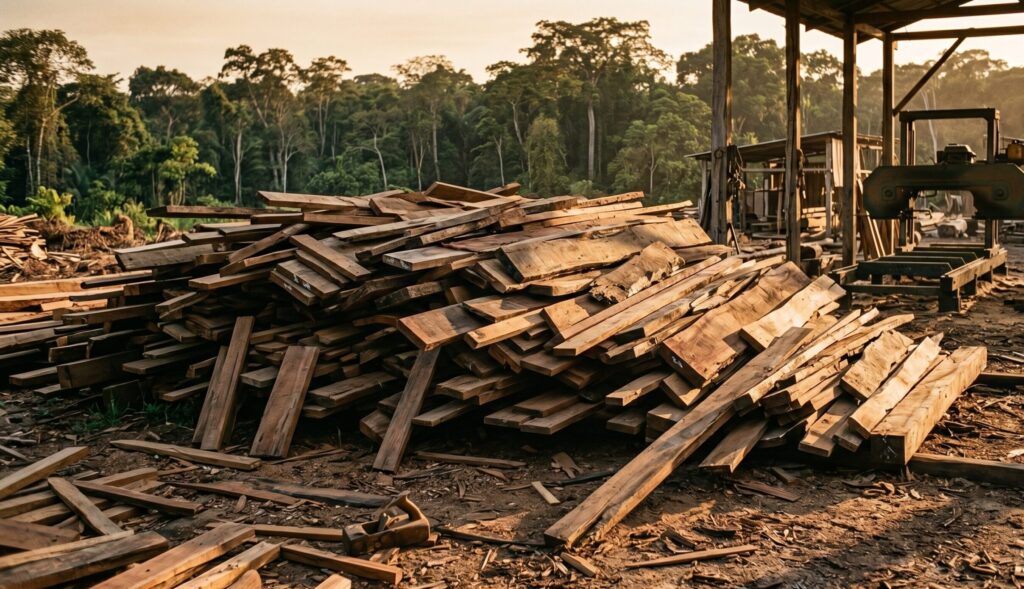
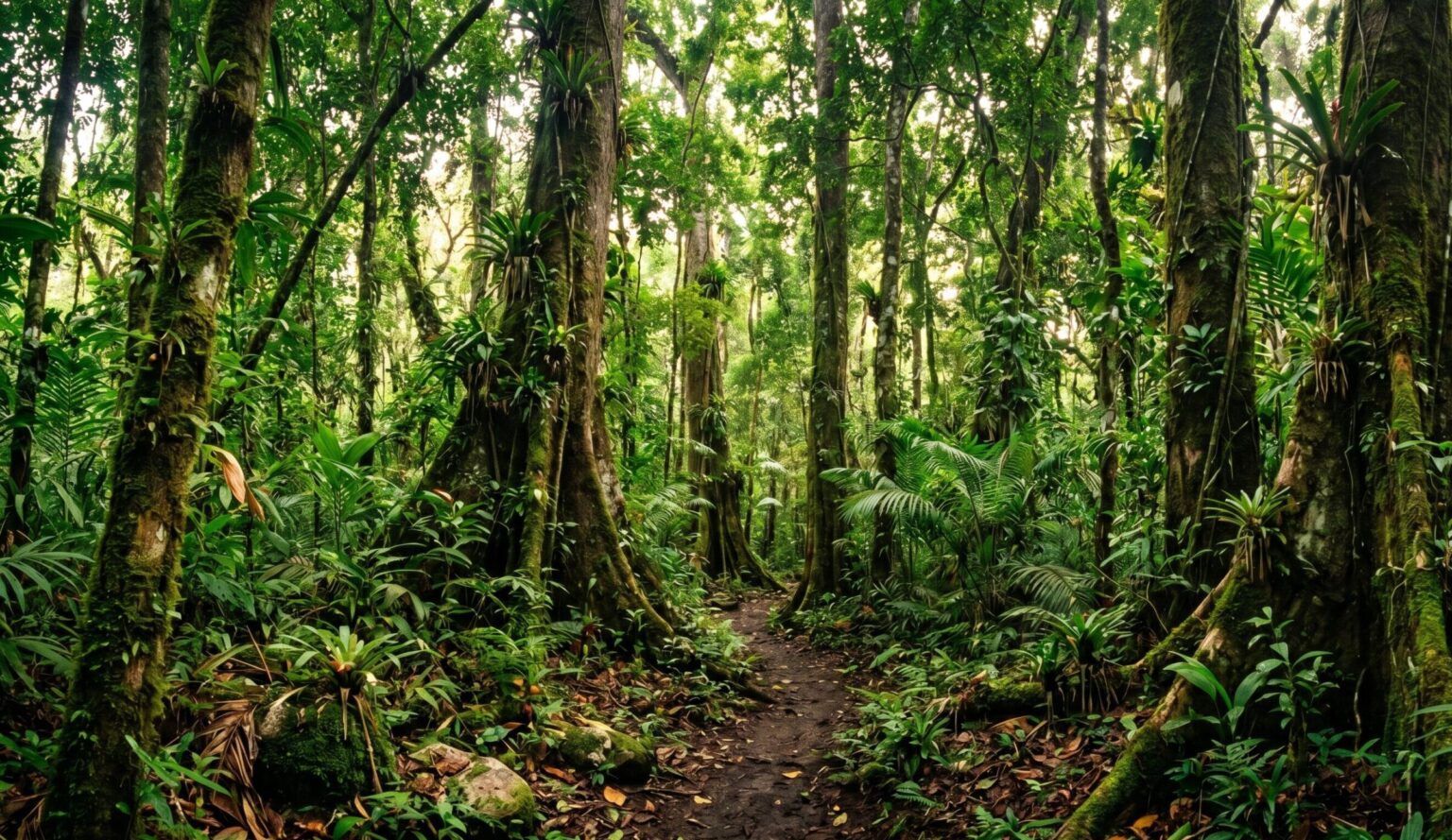
The history of MibaWood has its roots in the Bolivian Amazon rainforest.
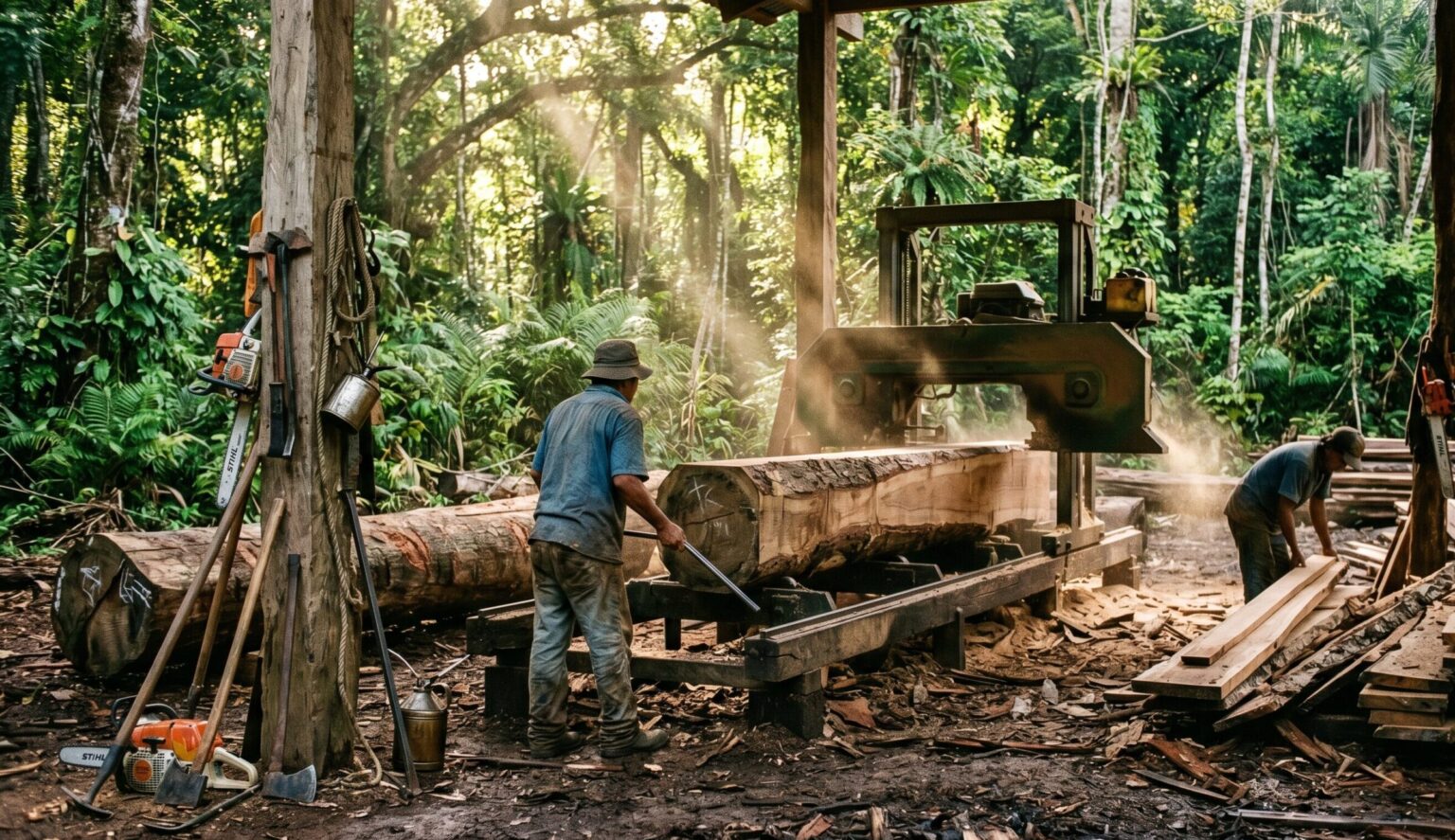
On a family trip, Miriam Ibáñez visited the sawmill where her father — a forestry engineer with years of experience in forest management — worked. It was there that a question changed everything.
— What do you do with the losses?
— They burn… because they are useless.
That answer marked a before and after.
The turning point
In a world that was beginning to demand more sustainable construction methods, that scene revealed an obvious reality: the resource was not being optimized.
For years, some tropical timber was underutilized or discarded. Lesser-known species, with excellent technical and aesthetic properties, were left out of the market simply because of tradition or because of uniformity requirements.
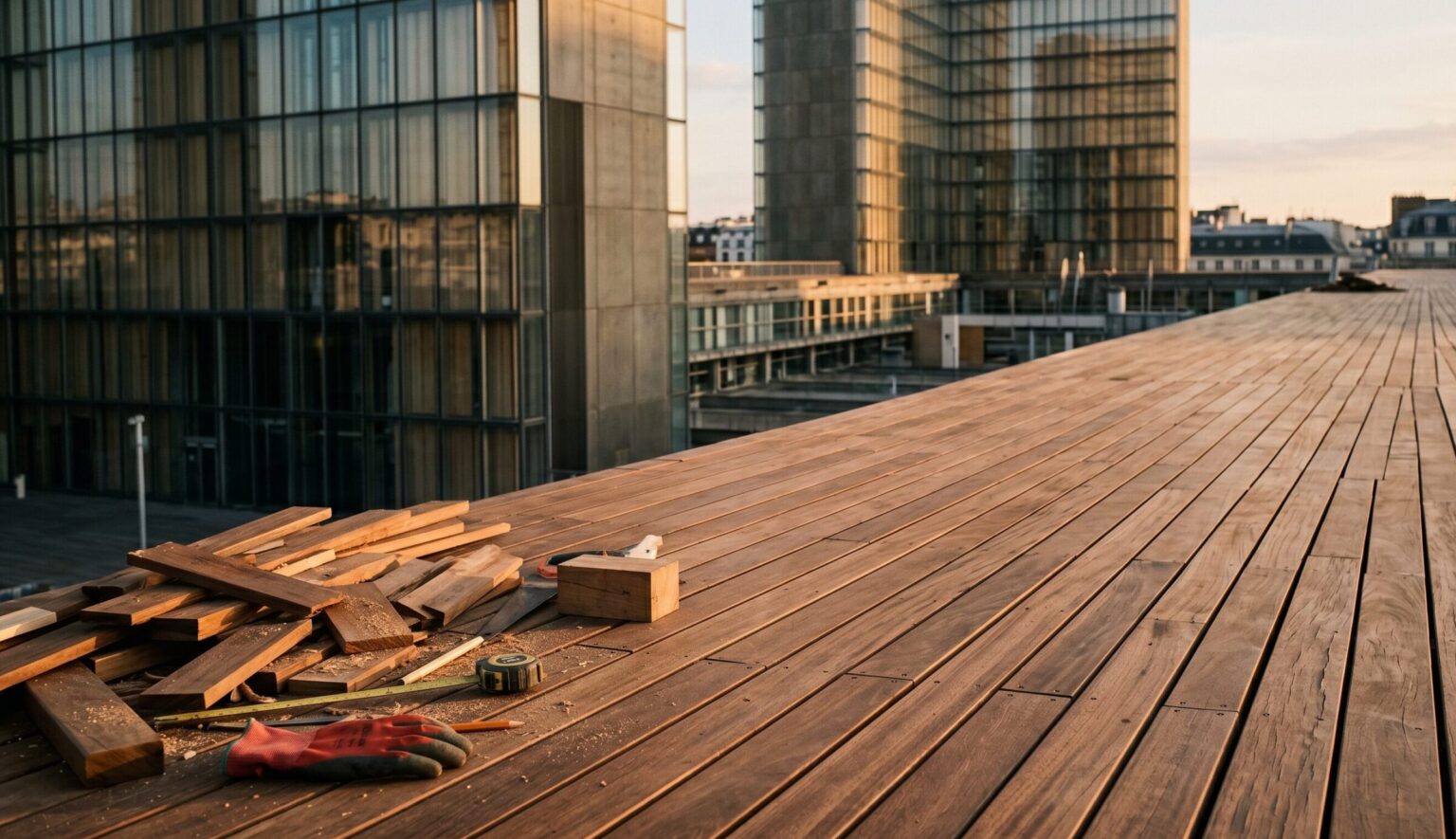
A symbolic example was the construction of the National Library of France, where the demand for perfectly homogeneous measurements generated a massive waste of tropical wood.
That confirmed an intuition:
Optimizing is not an option

It’s a responsibility
Looking at the forest in a different way
That commitment was not born by chance.
MibaWood arises from a clear conviction:
Sustainability starts at the source.
We understood that sustainable forest management is not just about measuring hectares or counting trees. It consists of making better use of each resource, optimizing each trunk and giving value to the diversity that the forest itself offers.
We cannot go back to the forest of 300 years ago.
But we can manage the current one with greater precision and responsibility.
Each piece is unique.
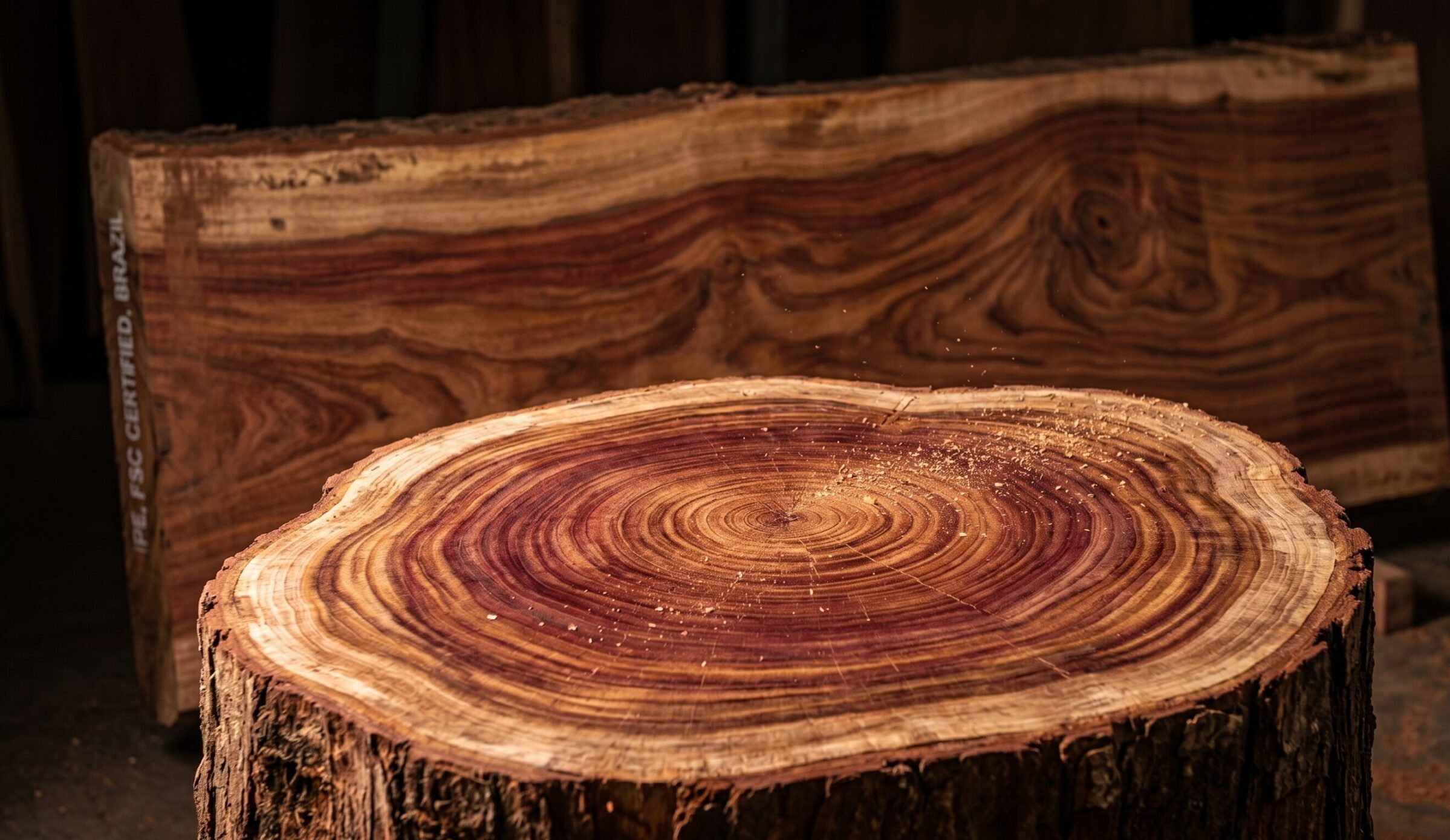
Each grain and each shade reflects the natural richness of the material.
From conviction to model
Over time, that initial idea was transformed into a structured model.
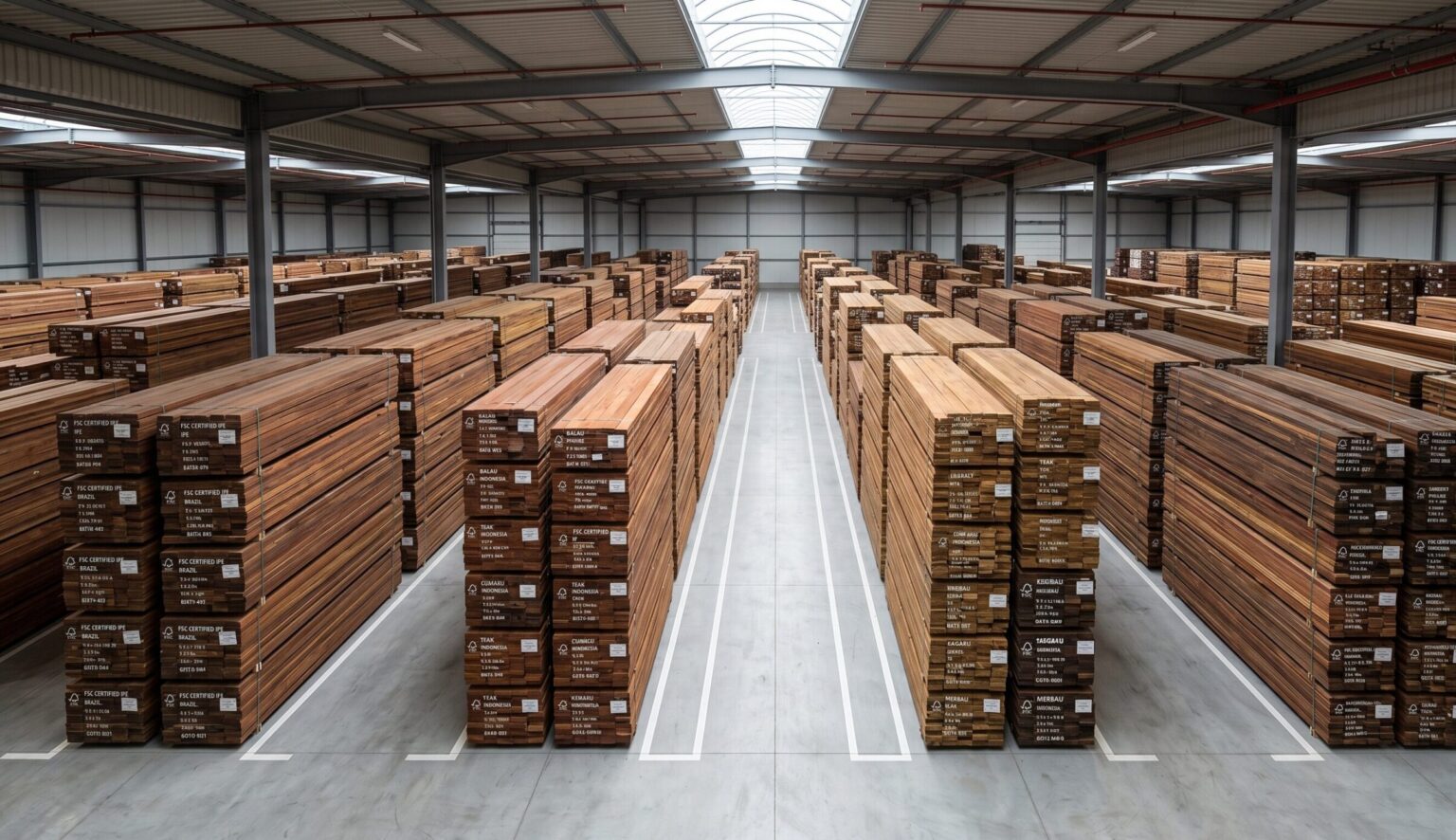
MibaWood expanded its network of FSC-certified® tropical timber suppliers, establishing strategic alliances and developing an international vision.
Two milestones that define the path:
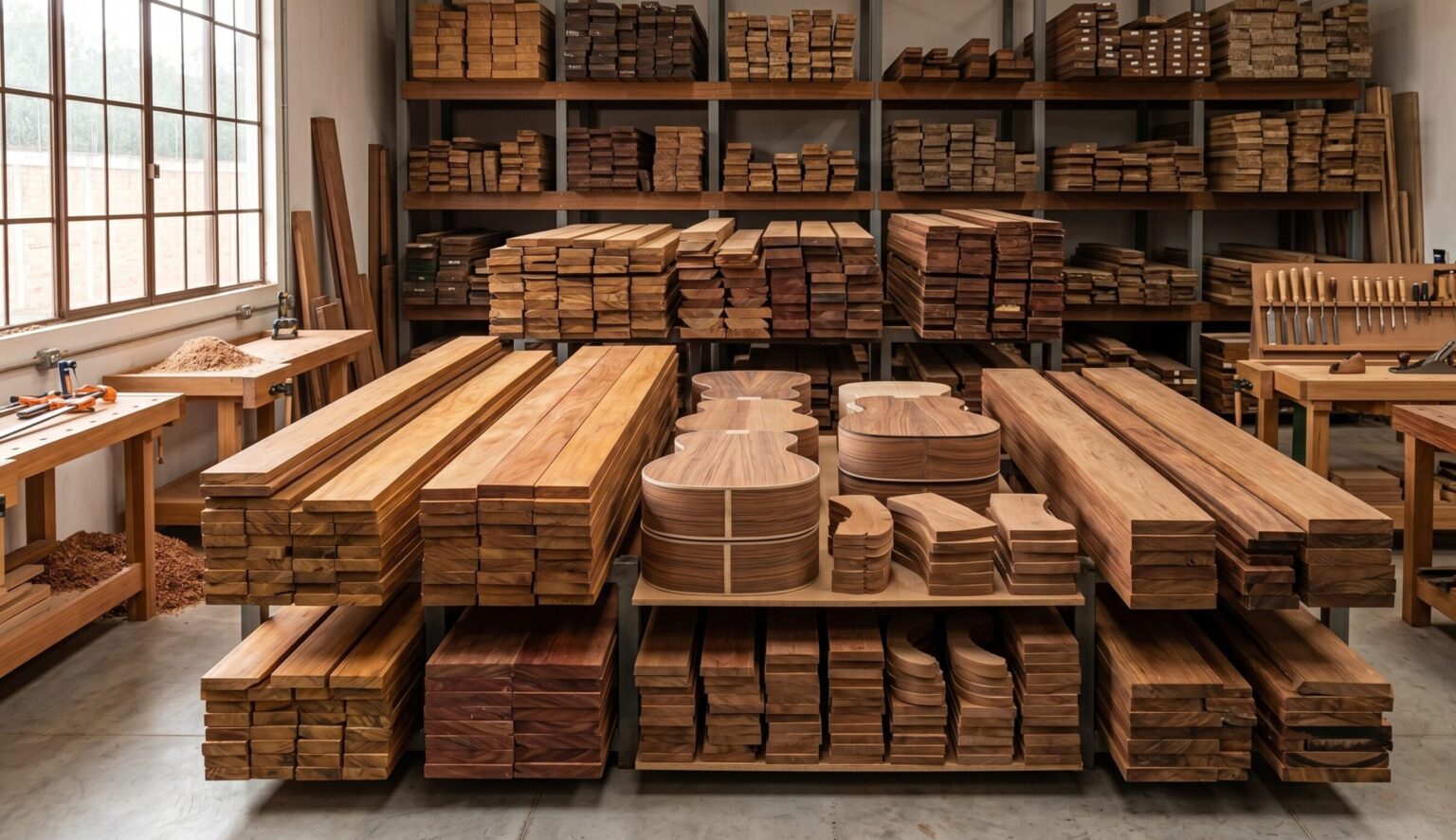
× ToneWood · Valencia
The collaboration with ToneWood made it possible to transform surplus acoustic guitars into high-quality mahogany coatings — proving that surplus can be turned into product.
× Tropical wood battens
The development of battens expanded the range of technical solutions, reinforcing a proposal based on efficiency, quality and durability.
Innovation wasn’t just an intention.
It became a product.
Timeline
2005 — Paris
François Mitterrand National Library
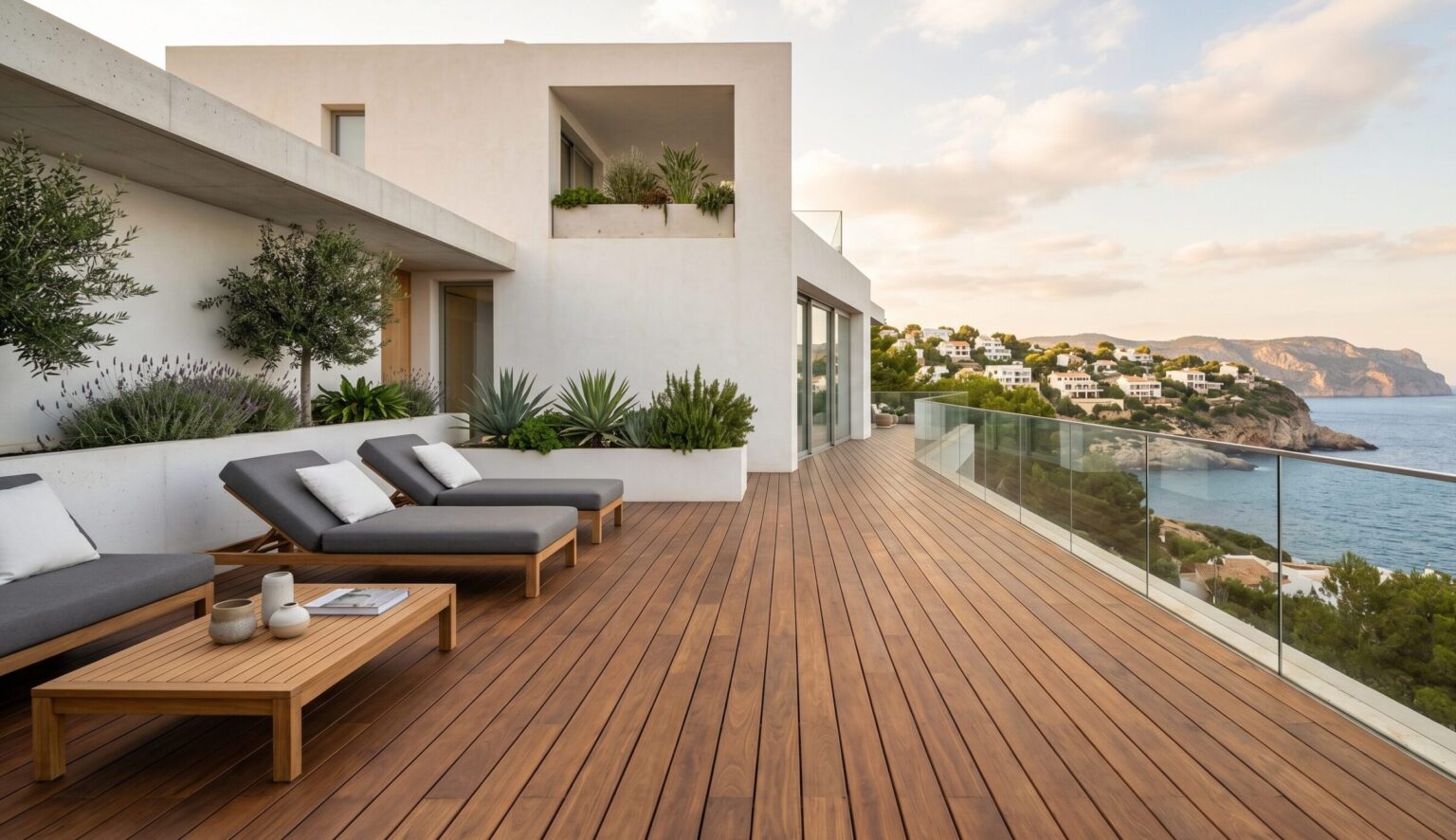
60,000 m² of IPE installed on the site of architect Dominique Perrault. The requirement for uniform measures had generated an extraordinary volume of losses at source.
Can you make tropical architecture without wasting forest?
2005 – 2010 — Bolivia
First Value Exercise
Wood recovery project working with reference architecture studios and non-standardised formats. Species: IPE, Cuchi, Almendrillo.
First systematic exercise of putting value on what the traditional industry discarded.
2010 – 2022 — Europe
Consolidation as a European distributor
Construction of the international logistics network: Spain, Italy, France, Portugal, Germany, Greece.
Representation of reference brands for exteriors: Décor et Jardin, Gardenode, Jouplast.
2022 — Guatemala
Formalization of the Forest-Centric model
Travel with an NGO dedicated to tropical forest conservation. Instead of fighting over “commercial” species, diversify demand by grouping by color and character.
The brand finds its ultimate purpose.
2024 — Strategic Alliance
Europe-wide operation
Consolidation of alliances. It signs as a strategic supplier for one of the largest European distribution groups, with a horizon of 2026–2030.
MibaWood is more than a company.
It is a different way of understanding forest resources.
A commitment to biodiversity, efficiency and durability.
We work to give value to tropical forests and their communities, integrating forestry tradition, material innovation and European vision.
We are not here to follow the evolution of the sector.
We’re here to push it forward.